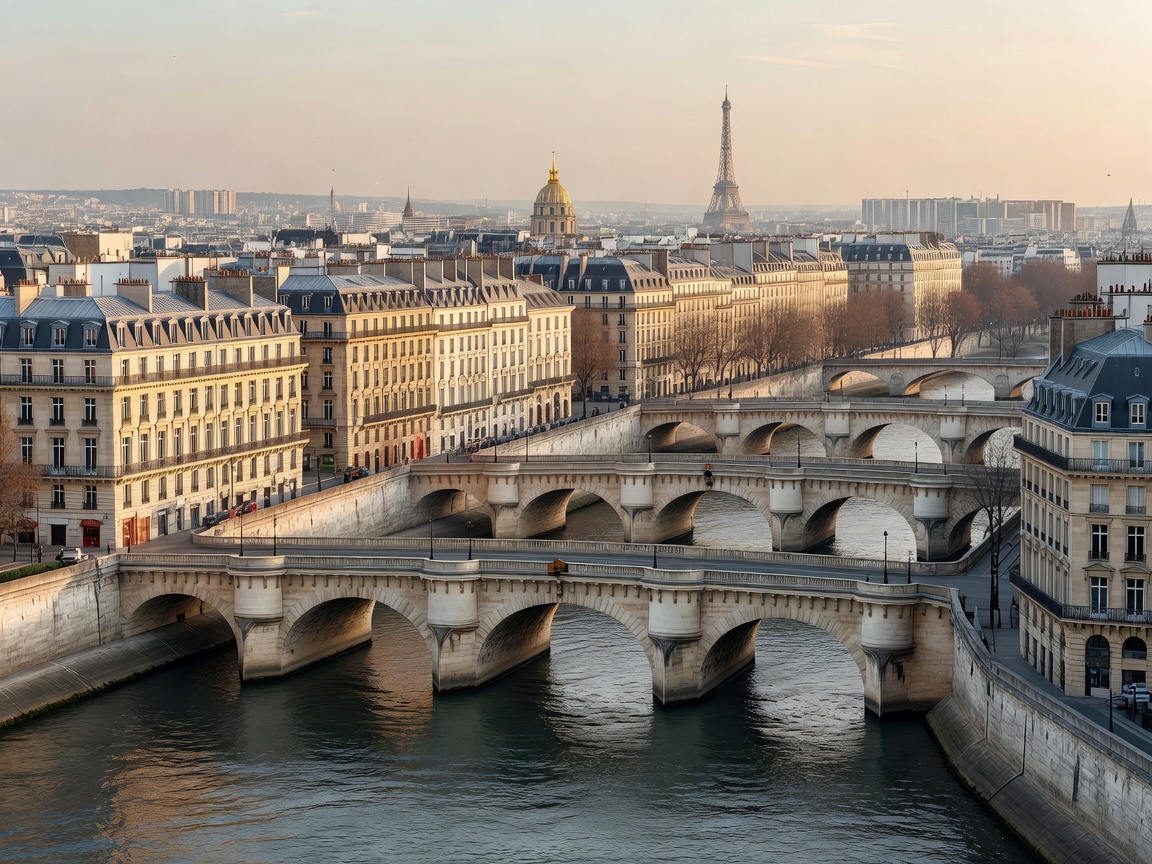
 Urban Core
Paris: Monumental Axes, Seine Embankments & Village Heights
Navigate the multi-layered capital across its Haussmannian boulevards, the historic Louvre precinct, and the steep bohemian alleyways of Montmartre.
From the architectural precincts of Paris to alpine cirques, limestone ravines, and storm-carved Atlantic coasts. We document the territory with editorial precision, logistical clarity, and structural nuance.
Each monograph synthesizes landscape character, transit corridors, urban layers, and seasonal constraints to inform balanced exploration.
Urban Core
Navigate the multi-layered capital across its Haussmannian boulevards, the historic Louvre precinct, and the steep bohemian alleyways of Montmartre.
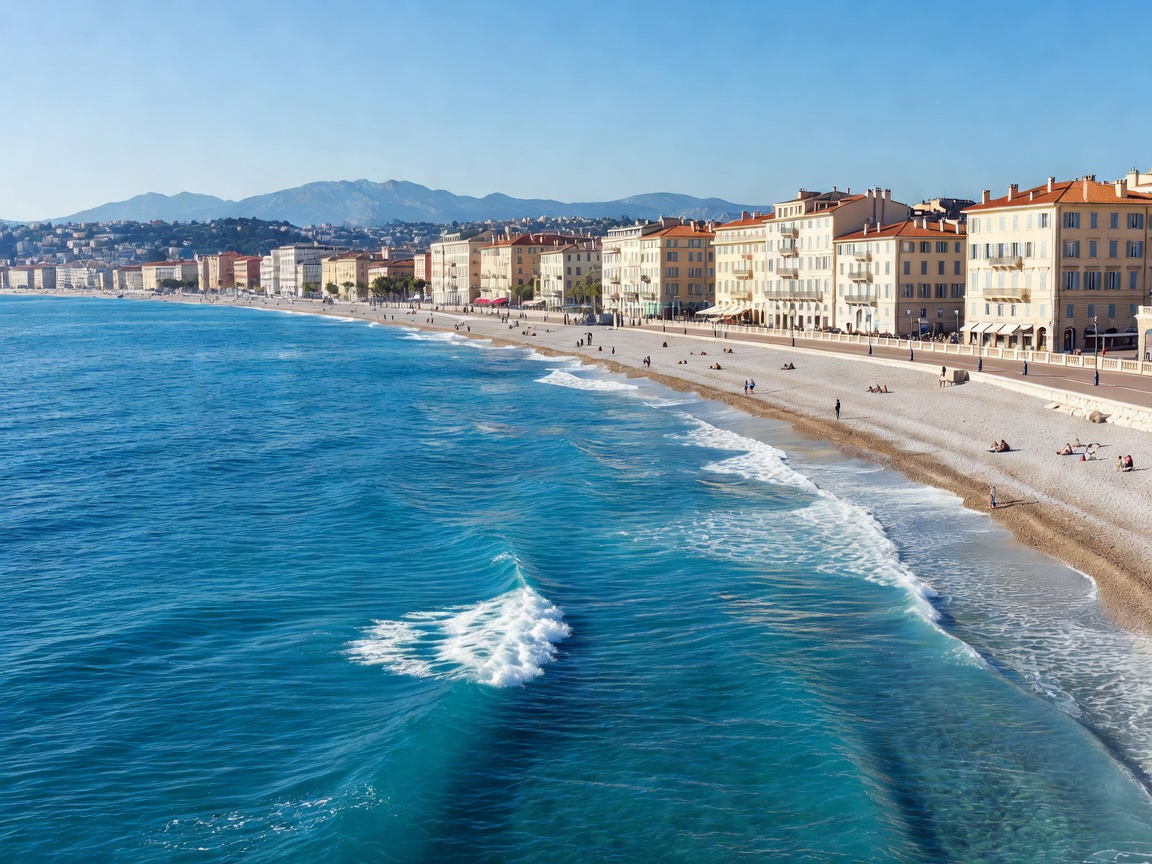 Maritime Coast
A structural assessment of the maritime south, analyzing urban pebble beaches, cliff-hanging corniches, and historic artist retreats along the Mediterranean rim.
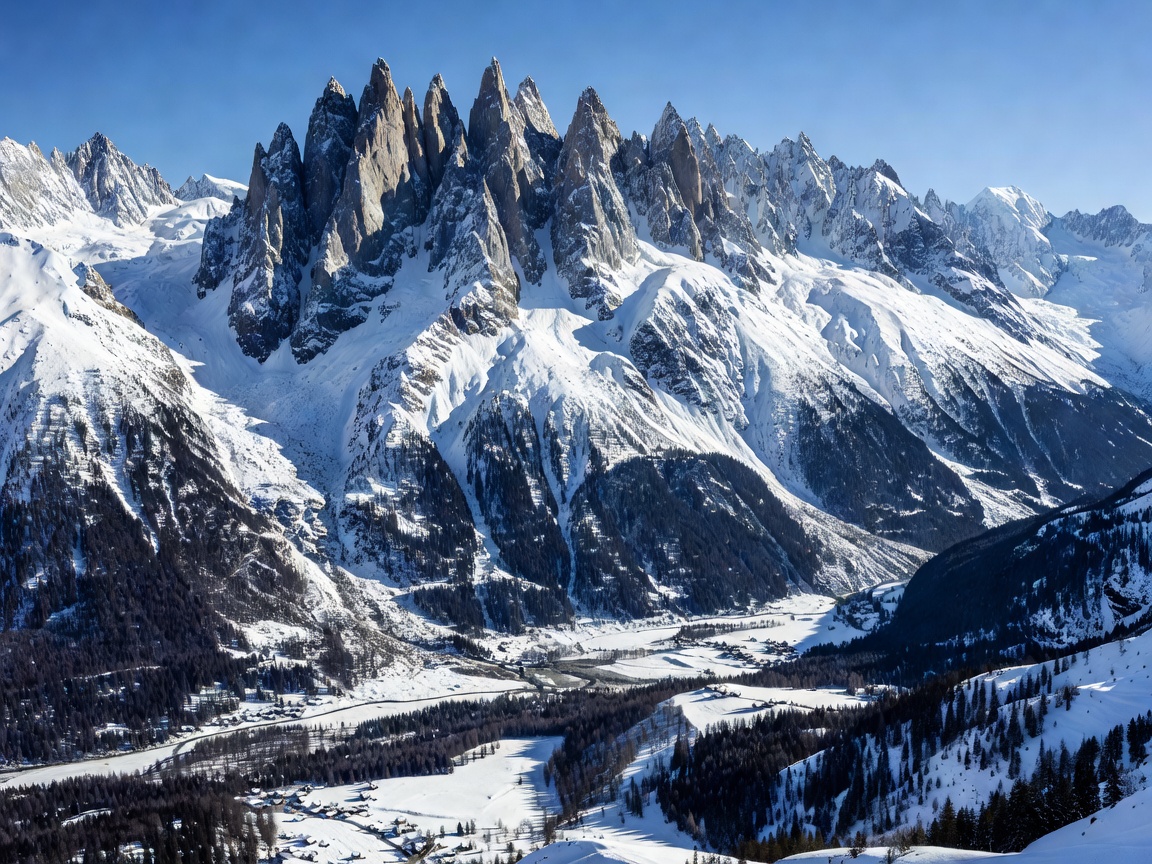 Alpine Massif
From crystalline glacial lake shores bordered by canal networks to the severe granite aiguilles and Mer de Glace basin surrounding western Europe’s highest summits.
 Inland Valleys
Study the arid limestone topography of the Luberon and Valensole, where centuries of agricultural dry-stone terraces frame perched Romanesque settlements.
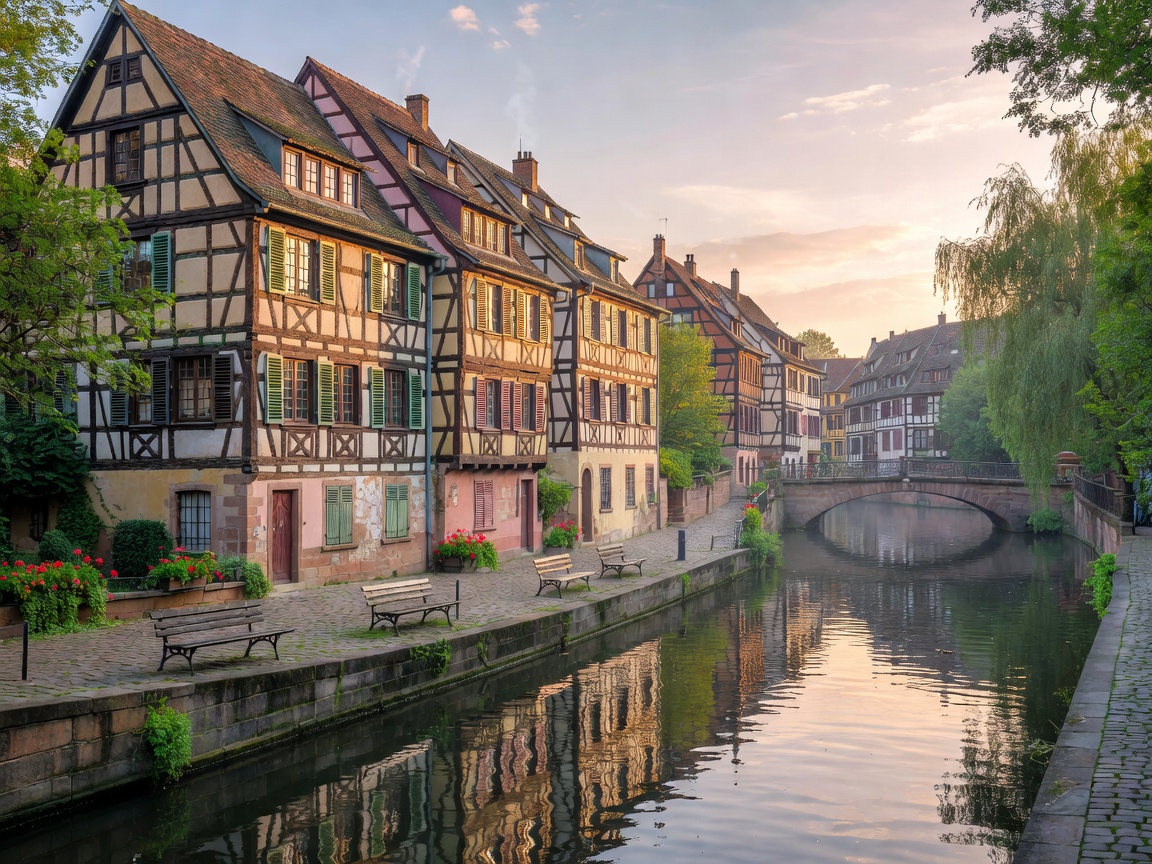 Border & Coastal Heritage
Contrasting Strasbourg’s sandstone Gothic cathedral and Franco-German vernacular with Normandy’s chalk sea cliffs and historic tidal sanctuaries.
France’s geographic diversity requires tailored logistical frameworks. Fast-track high-speed rail lines (TGV) unlock high-efficiency connectivity between urban hubs, whereas regional exploration demands deliberate secondary road navigation.
Paris operates as the historic radial hub. High-speed rail corridors connect the capital to Lyon in two hours, Marseille in three, and Strasbourg in under two. Recommended for long-distance transfers without automobile overhead.
Navigating the gorges of Provence or the mountain passes of Haute-Savoie requires individual vehicle transit. Departmental (D-roads) deliver proximity to remote abbey ruins, agricultural plateaus, and trailheads unreachable by rail.
Regional express trains trace coastal curves along the Riviera and run beside Alpine waterways. They furnish regular scenic transit between coastal villages and valley settlements without city parking friction.